Enjoy a guided tour, learn about our curriculum, school values and discover how we support your child throughout their primary school years.
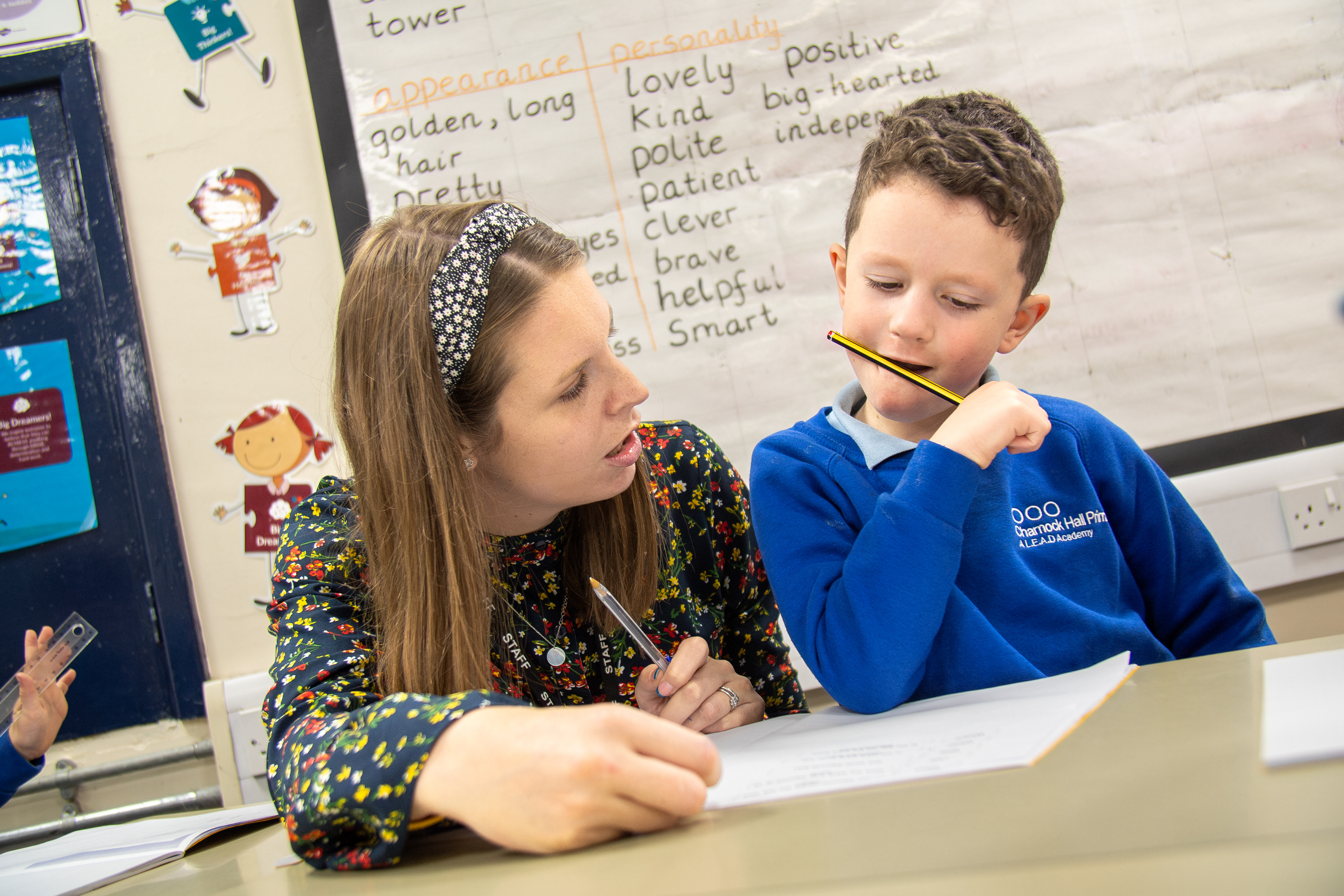
Each class has an ambassador for every subject. One of these ambassadors is chosen to be the CHPA representative. These pupils are
passionate about the subject they represent, they enjoy learning about their chosen subject and are inspirational in leading and
empowering other pupils to feel the same way.
Our Pupil Subject Ambassadors for Art (2025-26) are –
Y1 – Matilda
Y2 – Marley
Y3 – Cole
Y4 – Payton
Y5 – Dolly
Y6 – Audra
Audra is the CHPA Art Representative. She said the following about Art, ‘I love art because I can be creative with colour. I love painting and using different tints and shades.’
Art Intent, Implementation & Impact
Intent
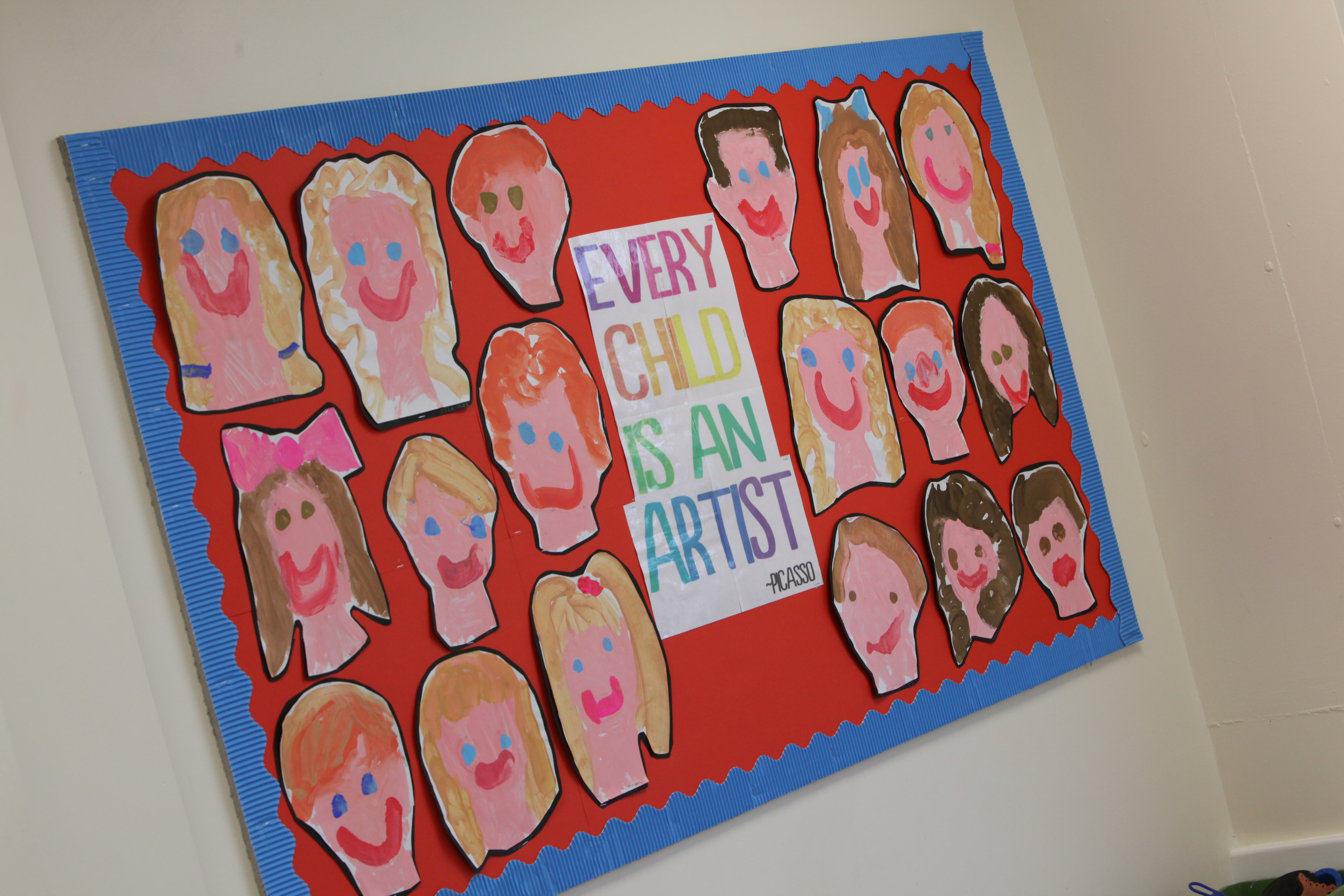
At Charnock Hall Primary Academy (CHPA), we believe that every pupil is an artist and that Art & Design plays a vital role in developing curiosity, creativity, confidence and self‑expression. Our Art & Design curriculum is designed to inspire pupils, develop high aspirations and enable them to communicate ideas, feelings and meaning through visual language.
We aim for all pupils to:
– Develop strong creative habits, including curiosity, imagination, experimentation and reflection
– Acquire progressive skills in drawing, painting, printing, sculpture and design
– Use sketchbooks as spaces for thinking, exploring, revisiting and refining ideas
– Develop a growing art vocabulary and confidence in talking about their own and others’ work
– Understand that art can communicate meaning, identity, emotion and viewpoint
– Work both independently and collaboratively, valuing process as well as outcome
Our curriculum is carefully sequenced using a split curriculum model, ensuring pupils revisit and build upon key artistic disciplines over time. These strands are:
– Drawing & Sketchbooks
– Print, Colour & Collage
– Paint, Surface & Texture
– Working in Three Dimensions
– Collaboration & Community
Through this structure, pupils develop depth, fluency and independence as artists. We use AccessArt principles to ensure that pupils learn through exploration, making, reflection and purposeful talk, while ensuring the curriculum remains bespoke to CHPA and responsive to our pupils and locality.
Implementation
Art & Design is taught through a progressive, skills‑based curriculum that is mapped carefully across EYFS, Key Stage 1 and Key Stage 2. Units are selected and adapted from AccessArt resources to act as vehicles for learning, ensuring high‑quality experiences while maintaining clear progression and curriculum ownership.
Curriculum Structure
– Each year group accesses multiple strands across the academic year, ensuring balanced coverage of artistic disciplines
– Units are sequenced to revisit skills, materials and concepts with increasing complexity
– End points are clearly defined so pupils and staff understand what success looks like
Teaching & Learning Approach
– Lessons follow a consistent structure: exploration, skill development, making, refinement and reflection
– Sketchbooks are used regularly to record ideas, practise techniques, revisit learning and reflect on progress
– Pupils are encouraged to take creative risks and see mistakes as part of the artistic process
– Vocabulary is explicitly taught and revisited, building cumulatively year on year
– Oracy is embedded through discussion, critique, peer feedback and reflection
Inclusion & Adaptation
– All pupils access the same ambitious curriculum
– Adaptive teaching strategies are used to support pupils where needed, without narrowing content
– Scaffolds may include modelling, sentence stems, visual prompts and practical support
– Opportunities for challenge are built in through open‑ended outcomes and creative decision‑making
EYFS
– Art & Design is delivered through Expressive Arts and Design
– Pupils explore colour, texture, shape, form and pattern through play and guided activities
– Fine motor development, imagination and personal expression are prioritised
Enrichment & Environment
– Artwork is displayed across the academy to celebrate process and outcome
– Collaborative and whole‑school art projects provide opportunities for shared creativity
– Learning is evidenced through sketchbooks, learning journeys, photographs and pupil voice
Impact
The impact of the Art & Design curriculum at CHPA is seen in pupils’ confidence, creativity and ability to articulate their learning. Pupils leave each phase with a secure foundation of skills, knowledge and creative habits that prepare them for further study and life beyond primary school.
Pupils:
– Use sketchbooks confidently to explore and refine ideas
– Demonstrate progression in technical skills across artistic disciplines
– Use subject‑specific vocabulary accurately when discussing art
– Reflect on their own work and the work of others with increasing insight
– Work collaboratively and independently with confidence
– Understand art as a meaningful form of communication
Assessment is ongoing and formative, taking place through:
– Observation of process and engagement
– Review of sketchbooks and outcomes
– Pupil voice and discussion
Teachers and subject leaders use this information to:
– Identify strengths and gaps
– Adapt planning and revisit key concepts where needed
– Ensure progression is secure across year groups
In EYFS, progress is assessed within Expressive Arts and Design and tracked regularly as part of an individual’s learning journey. In KS1 and KS2, assessment focuses on progression through curriculum end points rather than comparison between pupils.
By the end of Year 6, pupils at CHPA leave with the skills, confidence and language to see themselves as artists, creators and critical thinkers.
“Every child is an artist.”
Pablo Picasso
Art Curriculum Information
Art Progression of Knowledge & Skills
Art Vocabulary